A mother and her son looking at a tablet together
Free webinarSat, Dec 5, 20261:00 PM – 2:00 PM (EST)For parents and educators

How to prepare children aged 8 to 12 to stay safe online — with a focus on ADHD, ASD, and other learning difficulties

Register for Free

Training for Neurodivergent Children & Youth

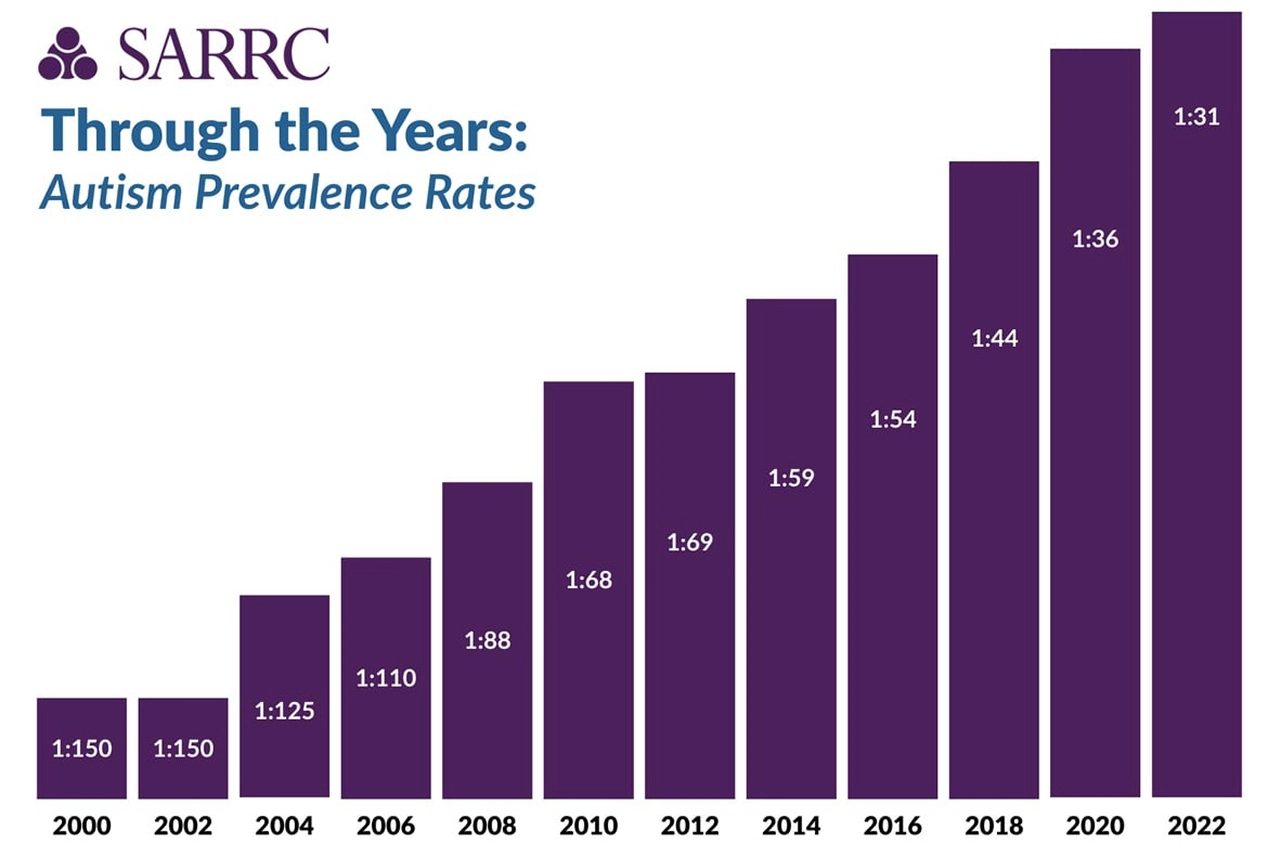
Roughly 1 in 6 children (17%) aged 3-17 has a developmental disability, including autism, ADHD, and other neurodevelopmental differences. Traditional online safety lessons often leave these students behind. That is why accessibility and inclusion are built into our Online Safety Training Program from the start.

Specially designed, AI-powered assessments identify where each student may need additional practice. Based on individual results, the program adapts to each neurodivergent learner, helping them develop the specific skills and confidence needed to stay safe in the digital world.

Our goal is to provide accessible, personalized online safety education and training that empowers students with diverse learning needs, including neurodivergent students and those with learning difficulties.

Helping Students with Learning Difficulties
Develop Functional Competencies

1 — Structured assessment
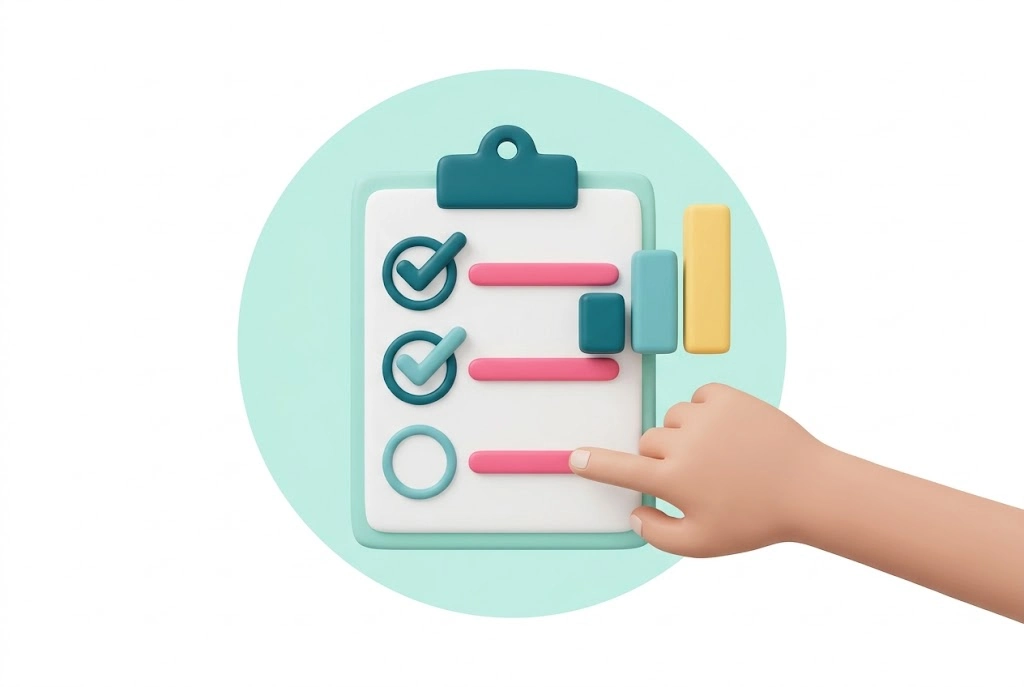
Structured online safety assessment illustration

A consistent, step-by-step assessment of functional online safety competencies, evaluating practical skills and multiple criteria. Clear results show each learner's strengths and next steps, without guesswork.

Designed with neurodivergent learners in mind, the assessment focuses on practical responses to familiar digital situations rather than relying solely on theoretical knowledge. This helps identify individual learning needs and establish a starting point for measuring progress.
2 — Individualized training supporting independent decision-making
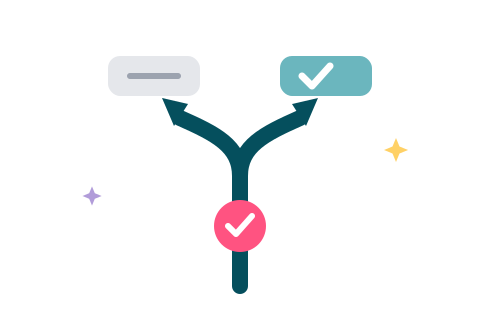
A path splitting in two, with the safe choice highlighted

The program adapts to each learner based on their results, adding practice where it is needed most. Step by step, learners move from guided choices to making safe decisions on their own.

Different learners may require different amounts of time, repetition, and guidance to develop the same competencies. Personalized learning helps accommodate these differences, allowing students to progress at their own pace while building confidence and greater independence in everyday online interactions.

3 — Developing online risk-recognition skills
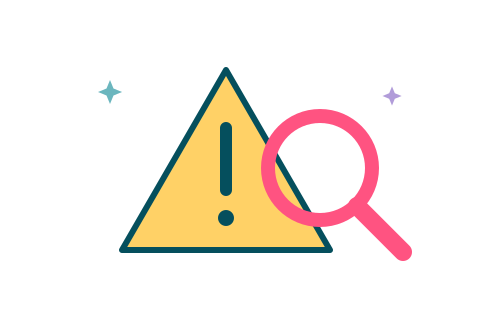
A magnifying glass over a warning sign

Learners practise noticing warning signs in realistic online situations, one clear step at a time. Predictable structure and calm visuals make it easier to recognize risks and remember what to do.

For children with ASD, ADHD, and other learning difficulties, recognizing misleading messages, suspicious behaviour, or potential online threats may require additional explanation and repeated practice. Our approach breaks complex situations into manageable learning steps, helping students recognize patterns and apply their knowledge to new situations.

4 — Assessing and improving recognition of deceptive digital interactions
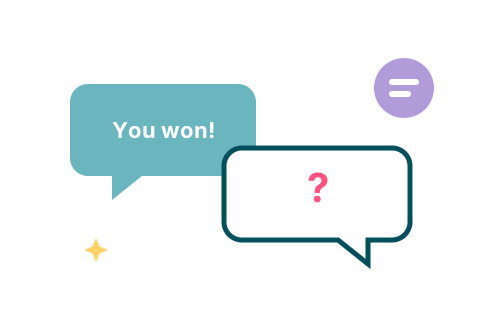
A suspicious prize message and a question bubble

Scenario-based tasks show how a learner responds to tricks such as fake friends, false prizes, and pressure to share personal information. Results highlight which deceptive patterns need more practice, and lessons target those specific areas.

Students work through realistic examples of online manipulation, scams, impersonation, and other deceptive interactions. By assessing individual responses, the platform helps identify difficulties in recognizing misleading behaviour and provides opportunities to practise safer responses in a structured learning environment.

5 — Developing personal-boundary and help-seeking skills
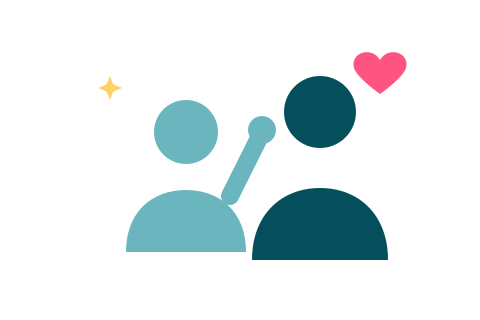
A child raising a hand next to a trusted adult with a heart

Learners practise saying no, ending uncomfortable chats, and knowing exactly who their trusted adult is. Repeated practice builds the confidence to ask for help early instead of handling problems alone.

These skills are particularly important for children who may find it difficult to interpret social cues, recognize inappropriate interactions, or respond confidently to online pressure. Through clear examples and repeated practice, students learn how to establish boundaries, communicate concerns, and seek help when something online makes them uncomfortable.

Disclaimer

The Online Safety Readiness Score measures a student’s demonstrated competencies in recognizing online risks, making informed decisions, protecting personal information, maintaining appropriate online boundaries, responding to potentially unsafe digital interactions, etc.

Based on student assessment results, the platform tracks progress across specific online safety criteria and skills, identifies areas of strength, and highlights competencies that may benefit from additional learning and practice.

The score is an educational measure of online safety knowledge and practical skills. It is not a psychological, developmental, or clinical assessment and is not intended to diagnose any medical or developmental condition.